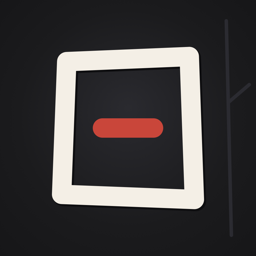
它画的是什么它畫的是什麼What it draws
一条平直的顶板,两条腿从两头斜撑下去,顶板底下再挂一个倒“人”字形的支撑。一條平直的頂板,兩條腿從兩頭斜撐下去,頂板底下再掛一個倒「人」字形的支撐。A flat top plate with two legs braced out from its ends, and an upside-down V hung under the plate between them.
返回字库返回字庫Back to the glyph index
十天干的第三位、丙日十天干的第三位、丙日third of the ten heavenly stems, a day named bing
学界有争议學界有爭議Scholarly debate时间時間Time
一条平直的顶板,两条腿从两头斜撑下去,顶板底下再挂一个倒“人”字形的支撑。一條平直的頂板,兩條腿從兩頭斜撐下去,頂板底下再掛一個倒「人」字形的支撐。A flat top plate with two legs braced out from its ends, and an upside-down V hung under the plate between them.
商代不同时期、不同刻手的写法并不相同。下面每一种写法都依据一片具体的甲骨。商代不同時期、不同刻手的寫法並不相同。下面每一種寫法都依據一片具體的甲骨。Scribes of different periods wrote the same character differently. Each form below follows one specific inscription.
常见写法常見寫法Most common form
两条腿向外撇开,站得很宽,是甲骨上最多见的写法。兩條腿向外撇開,站得很寬,是甲骨上最多見的寫法。The legs splay outward into a wide stance — the commonest shape on the bones.
《甲骨文合集》3297 號 · 舊著錄 菁7.1 · 賓組 · 《甲骨文編》字號 1677 · 第 18 形《甲骨文合集》3297 號 · 舊著錄 菁7.1 · 賓組 · 《甲骨文編》字號 1677 · 第 18 形《甲骨文合集》 合3297 · first published as 菁7.1 · 賓組 diviner group · 《甲骨文編》 headword 1677 · form 18
两条腿直上直下,整个字收成方框,多见于晚期刻辞。兩條腿直上直下,整個字收成方框,多見於晚期刻辭。The legs drop straight down and the whole sign tightens into a box, common in later inscriptions.
《甲骨文合集》38025 號 · 舊著錄 林1.15.6 · 黃組 · 《甲骨文編》字號 1677 · 第 19 形《甲骨文合集》38025 號 · 舊著錄 林1.15.6 · 黃組 · 《甲骨文編》字號 1677 · 第 19 形《甲骨文合集》 合38025 · first published as 林1.15.6 · 黃組 diviner group · 《甲骨文編》 headword 1677 · form 19
“丙”是十天干的第三位。字形是一块托板加两条腿,像一个稳稳的底座,但这个底座托的是什么,学界没有一致意见:一说是器物的托座或房屋的台基,一说是鱼尾的分叉,《说文》则从阴阳的角度讲“位南方,万物成炳然”,那是汉代人的解释,不是商代的画意。几种说法势均力敌,所以标为有争议。
「丙」是十天干的第三位。字形是一塊托板加兩條腿,像一個穩穩的底座,但這個底座托的是什麼,學界沒有一致意見:一說是器物的託座或房屋的臺基,一說是魚尾的分叉,《說文》則從陰陽的角度講「位南方,萬物成炳然」,那是漢代人的解釋,不是商代的畫意。幾種說法勢均力敵,所以標為有爭議。
The third heavenly stem is a flat plate on two braced legs — plainly a stand, but what it stands under is not agreed. One reading makes it the base of a vessel or the platform of a building, another the forked tail of a fish; the Shuowen explains it through yin and yang instead, which is a Han-dynasty account and not the Shang picture. The readings are evenly matched, so the badge is orange.
所有字形均为本项目按所引字形原创绘制的示意图,不是拓片复制品。所有字形均為本專案按所引字形原創繪製的示意圖,不是拓片複製品。Every drawing is an original schematic illustration made after the cited form. None of them is a reproduction of a rubbing. 小學堂甲骨文資料庫 · 中央研究院