它画的是什么它畫的是什麼What it draws
一支箭:上头是尖尖的箭镞,箭杆中间鼓出一块,下面分开两道,是箭尾的羽。一支箭:上頭是尖尖的箭鏃,箭桿中間鼓出一塊,下面分開兩道,是箭尾的羽。An arrow: a pointed head on top, a swelling on the shaft, and two strokes splaying at the foot for the flight.
返回字库返回字庫Back to the glyph index
十二地支的第三位、寅日十二地支的第三位、寅日third of the twelve earthly branches, a day named yin
较可能的解释較可能的解釋Probable interpretation时间時間Time
一支箭:上头是尖尖的箭镞,箭杆中间鼓出一块,下面分开两道,是箭尾的羽。一支箭:上頭是尖尖的箭鏃,箭桿中間鼓出一塊,下面分開兩道,是箭尾的羽。An arrow: a pointed head on top, a swelling on the shaft, and two strokes splaying at the foot for the flight.
商代不同时期、不同刻手的写法并不相同。下面每一种写法都依据一片具体的甲骨。商代不同時期、不同刻手的寫法並不相同。下面每一種寫法都依據一片具體的甲骨。Scribes of different periods wrote the same character differently. Each form below follows one specific inscription.
常见写法常見寫法Most common form
只画一支箭,杆上鼓出一块,是甲骨上最多见的写法。只畫一支箭,桿上鼓出一塊,是甲骨上最多見的寫法。Just the arrow with the swelling on its shaft — the commonest shape on the bones.
《甲骨文合集》137 號 · 舊著錄 菁5.1 · 賓組 · 《甲骨文編》字號 1701 · 第 01 形《甲骨文合集》137 號 · 舊著錄 菁5.1 · 賓組 · 《甲骨文編》字號 1701 · 第 01 形《甲骨文合集》 合137 · first published as 菁5.1 · 賓組 diviner group · 《甲骨文編》 headword 1701 · form 01
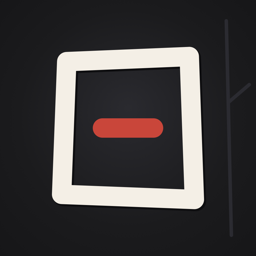
箭的下半加上两只手,托成一个方框,多见于晚期刻辞。箭的下半加上兩隻手,托成一個方框,多見於晚期刻辭。Two hands are added below the arrow, closing into a box, common in later inscriptions.
《甲骨文合集》37997 號 · 舊著錄 前3.9.1 · 黃組 · 《甲骨文編》字號 1701 · 第 26 形《甲骨文合集》37997 號 · 舊著錄 前3.9.1 · 黃組 · 《甲骨文編》字號 1701 · 第 26 形《甲骨文合集》 合37997 · first published as 前3.9.1 · 黃組 diviner group · 《甲骨文編》 headword 1701 · form 26
多数古文字学者认为“寅”早期就是一支箭,和“矢”同形,箭杆中间鼓起的一块一般看作缠在杆上的箍;晚期在箭的下面添了两只手,写成双手捧箭的样子,才接近今天的“寅”。也有学者认为添上去的双手才是这个字的核心。《说文》讲“髕也”,是汉代按读音作的解释。箭的一说领先,所以标为较可能。和“矢”分辨要看杆:“矢”的杆是直的,末端有一个开口的箭括,“寅”的杆中间鼓着一块。
多數古文字學者認為「寅」早期就是一支箭,和「矢」同形,箭桿中間鼓起的一塊一般看作纏在桿上的箍;晚期在箭的下面添了兩隻手,寫成雙手捧箭的樣子,才接近今天的「寅」。也有學者認為添上去的雙手才是這個字的核心。《說文》講「髕也」,是漢代按讀音作的解釋。箭的一說領先,所以標為較可能。和「矢」分辨要看桿:「矢」的桿是直的,末端有一個開口的箭括,「寅」的桿中間鼓著一塊。
Most palaeographers read early 寅 as an arrow, the same shape as 矢, with the swelling on the shaft taken for a binding wound round it; later forms add two hands below, so the sign shows an arrow held up, which is closer to 寅 today. Others hold that the added hands are the heart of the character. The Shuowen glosses it through the sound, a Han-dynasty account. The arrow reading leads, hence the yellow badge. To tell it from 矢, look at the shaft: 矢 runs straight to an open nock, 寅 swells in the middle.
所有字形均为本项目按所引字形原创绘制的示意图,不是拓片复制品。所有字形均為本專案按所引字形原創繪製的示意圖,不是拓片複製品。Every drawing is an original schematic illustration made after the cited form. None of them is a reproduction of a rubbing. 小學堂甲骨文資料庫 · 中央研究院